
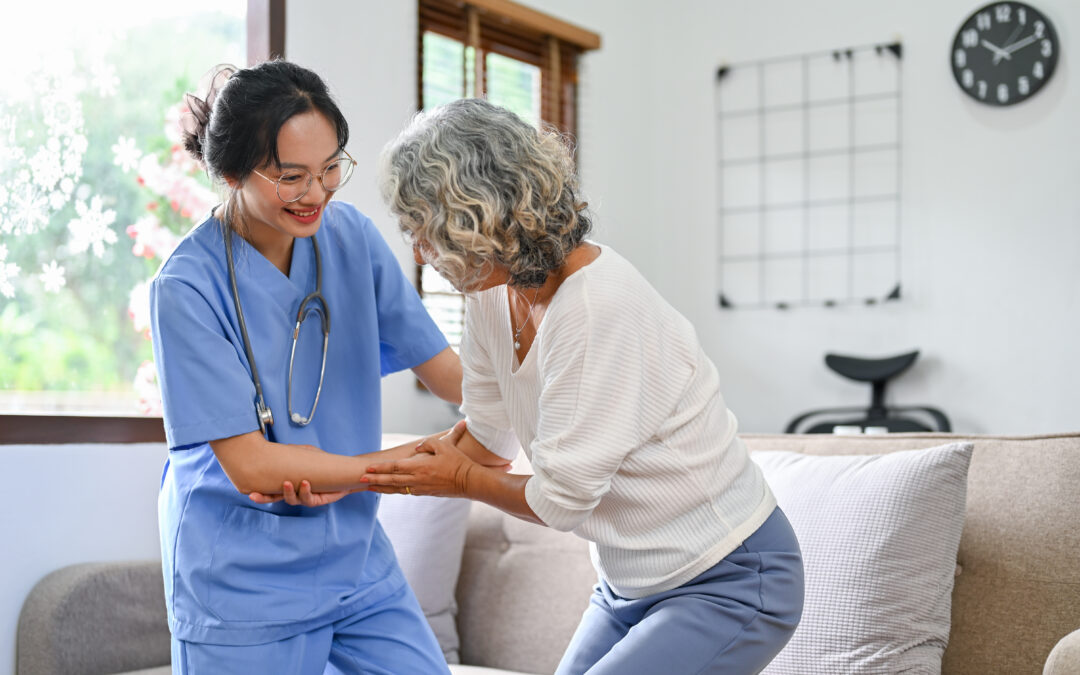
Home safety for seniors is one of the most important factors in helping older adults maintain independence, dignity, and quality of life. As people age, changes in balance, vision, strength, and memory can increase the risk of accidents inside the home. Families in Monroe, WA often assume that major hazards exist outdoors, but many serious injuries happen in familiar indoor spaces.
For family caregivers, creating a safe and comfortable home environment is both a preventive strategy and an act of care. Thoughtful home modifications, daily routines, and awareness of risks can dramatically reduce injuries and stress. This guide focuses on fall prevention in Monroe WA, practical checklists, and preventive tips that families can apply immediately.
A well-designed senior-friendly home supports safety without sacrificing comfort. It allows seniors to move freely, feel confident, and continue daily activities with fewer limitations.
Understanding Common Home Hazards for Seniors
Many families underestimate how ordinary household features become dangerous over time. Slippery floors, poor lighting, and cluttered walkways contribute to falls and injuries. According to safety data, bathrooms, bedrooms, and stairways are the most common locations for senior accidents.
As mobility decreases, seniors may rely on furniture for balance, increasing the risk of tipping or slipping. Even minor changes in flooring height or loose rugs can cause serious falls. Recognizing these hazards early is the first step in effective home safety for seniors.
Environmental awareness also includes understanding how medications, fatigue, and chronic conditions affect reaction time and coordination. A safe home environment adapts to these changes rather than expecting seniors to adjust on their own.
Fall Prevention Strategies Every Family Should Know
Falls are the leading cause of injury among older adults. In Monroe, WA, many seniors prefer to age at home, making fall prevention a critical concern for families. Preventing falls helps avoid hospitalizations, long recovery periods, and loss of independence.
Effective fall prevention focuses on visibility, stability, and accessibility. Simple changes often make a significant difference when applied consistently throughout the home.
Practical Fall Prevention Checklist
| Area | Safety Improvement | Benefit |
| Floors | Remove loose rugs and cords | Reduces tripping hazards |
| Lighting | Add night lights in hallways | Improves nighttime visibility |
| Stairs | Install handrails on both sides | Provides balance support |
| Bathroom | Use non-slip mats | Prevents slips on wet surfaces |
Beyond physical changes, encouraging seniors to wear supportive footwear indoors also reduces fall risk. Shoes with non-slip soles provide better stability than socks or slippers.
Creating a Safer Bathroom Environment
Bathrooms are among the most dangerous rooms for seniors due to water exposure and limited space. Slippery surfaces combined with bending and standing motions increase the likelihood of falls.
Installing grab bars near toilets and showers provides immediate support. These features allow seniors to sit and stand safely without relying on unstable towel racks or fixtures.
Comfort also matters. Walk-in showers, raised toilet seats, and handheld showerheads improve usability while preserving dignity and independence.
Bathroom Safety Essentials
- Non-slip flooring or mats to reduce slipping
- Grab bars secured into wall studs
- Adequate lighting to eliminate shadows
Each upgrade contributes to safer daily routines and greater confidence for seniors using the bathroom independently.
Improving Bedroom Safety and Comfort

The bedroom should promote both rest and safe movement. Seniors often get up during the night, increasing fall risk if the room is dark or cluttered.
Bed height is a critical factor. Beds that are too low or too high can strain joints and increase the risk of falls. Ideally, seniors should be able to place their feet flat on the floor when sitting on the bed.
Clear pathways from the bed to the bathroom, along with motion-sensor night lights, provide guidance without disrupting sleep. These adjustments support both safety and comfort.
Kitchen Safety for Independent Living
The kitchen allows seniors to maintain independence, but it also presents risks such as burns, cuts, and overreaching injuries. Organization plays a major role in reducing hazards.
Frequently used items should be stored at waist level to avoid bending or climbing. Appliances with automatic shut-off features help prevent accidents caused by forgetfulness or distraction.
Encouraging safe cooking habits, such as using timers and avoiding loose clothing near stoves, further supports kitchen safety for seniors.
Enhancing Lighting Throughout the Home
Poor lighting contributes significantly to falls and missteps. Aging eyes require more light to see clearly, especially in hallways, staircases, and entryways.
Layered lighting, including overhead lights, task lamps, and night lights, improves visibility at all hours. Light switches should be easily accessible from room entrances.
Natural light also improves mood and orientation. Keeping windows unobstructed during the day enhances both safety and emotional well-being.
Entryways, Stairs, and Hallways
Transitions between rooms or levels pose challenges for seniors. Entryways should have stable handholds, non-slip mats, and adequate lighting.
Stairs require special attention. Secure handrails on both sides and high-contrast step edges help seniors navigate safely. Regular maintenance ensures steps remain even and free of loose carpeting.
Hallways should remain uncluttered at all times. Removing decorative furniture or cords creates a clear walking path and reduces fall risks.
Creating a Comfortable and Emotionally Safe Home
A truly safe home also supports emotional comfort. Seniors should feel respected, relaxed, and in control of their space. Over-modifying a home can sometimes feel restrictive, so balance is essential.
Involving seniors in decisions about home changes helps preserve autonomy. Familiar furniture, personal items, and routines provide emotional stability alongside physical safety.
Comfortable temperatures, quiet spaces, and accessible communication tools further enhance the sense of security at home.
When Professional Home Care Support Helps

Even with a safe home setup, some seniors benefit from additional support. Professional caregivers can assist with mobility, daily activities, and monitoring safety risks.
Caregivers also help reinforce fall prevention habits and ensure home safety measures are used correctly. This added layer of care reduces stress for families and promotes consistent routines.
Conclusion
Creating a safe and comfortable home environment for seniors is an ongoing process that adapts to changing needs. From home safety for seniors to effective fall prevention in Monroe WA, small improvements can make a meaningful difference in daily life.
Families who invest in preventive measures help their loved ones remain independent and confident at home. When additional support is needed, trusted providers like Classique Homecare & Staffing offer compassionate assistance that enhances both safety and quality of life.
Frequently Asked Questions
1. What are the most important home safety changes for seniors?
Removing tripping hazards, improving lighting, and installing grab bars are among the most effective changes.
2. How can families reduce fall risks at home?
Consistent fall prevention strategies include clear walkways, non-slip surfaces, and supportive footwear.
3. Is professional home care necessary for home safety?
Not always, but caregivers provide valuable support when mobility or health concerns increase.
4. How often should home safety be reassessed?
Home safety should be reviewed at least once a year or after any health changes.
5. Can seniors maintain independence with safety modifications?
Yes. Thoughtful safety improvements support independence rather than limit it.