

Choosing the right care option for an aging loved one is one of the most important decisions a family can make. Senior care needs continue to grow in Monroe WA, and many families are discovering that in-home care offers more comfort, independence, and emotional stability compared to a traditional nursing home setting. The desire to age at home has become stronger over the years because seniors want familiarity and dignity, and they want as much independence as possible.
This guide provides a complete breakdown of why in-home care in Monroe WA has become the preferred choice. It highlights key benefits, compares home care to nursing homes, and explains how families can make confident and informed decisions. Each section is optimized for SEO and structured for easy reading so this valuable information can be found by those searching for senior care solutions online.
Growing Demand for In-Home Care in Monroe WA
Families are increasingly searching for ways to keep seniors comfortable while still ensuring their safety and well-being. In Monroe the demand for high quality home care services has risen because more seniors want support without losing the life they built in their own homes. Home care allows them to receive assistance with daily activities while staying surrounded by familiar routines.
Professional caregivers provide support based on each senior’s needs. This means care remains personal instead of standardized. Nursing homes follow structured procedures that work for groups, while in-home care adapts to individuals. For seniors with mobility issues, chronic conditions, or early cognitive decline, having tailored care at home is often safer and more comfortable.
Because Monroe is a community driven city where families value closeness and connection, in-home care has become an ideal fit for seniors who prefer comfort over institutional settings.
Understanding the Differences Between In-Home Care and Nursing Homes
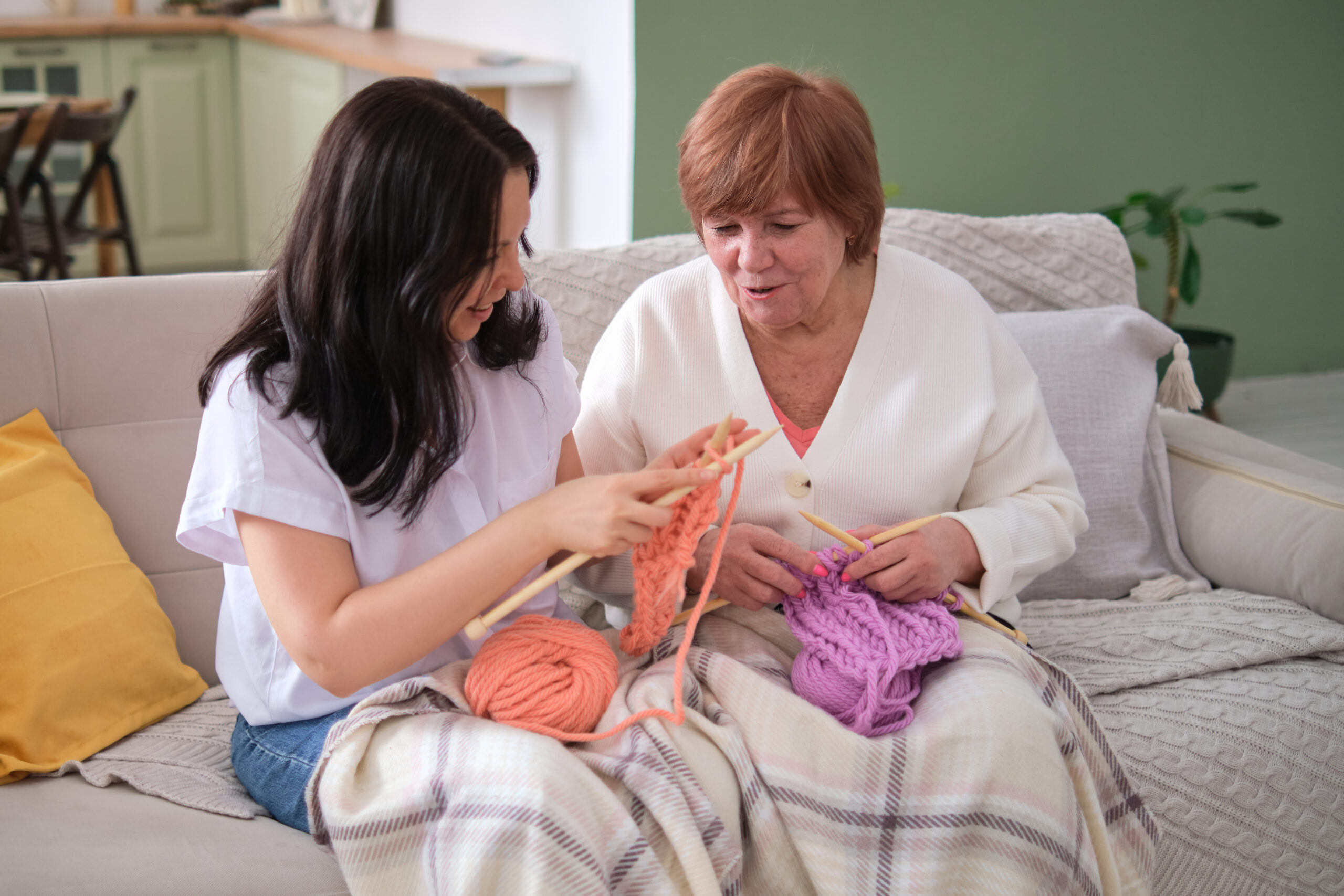
Before choosing the best option, families need a clear understanding of how each environment works. Both home care and nursing homes serve important roles in senior care, but they differ in approach, atmosphere, and level of independence.
Level of Independence
Seniors often fear losing independence. In-home care allows them to remain in control of their routines, meals, hobbies, and household choices. They wake up when they choose, eat the food they enjoy, and stay in a setting that feels normal to them.
Nursing homes prioritize safety and structure. Residents may have less freedom in their schedules because facilities must focus on managing larger groups. This can feel restrictive for seniors who value personal independence.
Emotional and Mental Well-Being
Being at home gives seniors emotional stability. Their memories live in their home, and this can reduce stress and confusion, especially for seniors with memory loss.
Nursing home environments can sometimes create emotional strain due to unfamiliar surroundings, less privacy, and limited personal space. Seniors may feel rushed, monitored, or like they lack control over their daily activities.
Relationship With Caregivers
In-home care allows for one-on-one attention. Caregivers build relationships with seniors, understand their personality, and provide care with familiarity.
In nursing homes caregivers assist multiple residents at once. While many nursing homes provide quality care, time limitations can affect the level of personal connection seniors receive.
Cost Structure
Families sometimes assume nursing homes are more affordable, but many find in-home care a better value. Home care allows families to pay only for the level of service they truly need. Nursing homes require full facility costs even if the senior does not need intensive care.
The table below gives a simple comparison:
| Care Option | Environment | Independence | Emotional Comfort | Cost Flexibility |
| In-Home Care | Senior’s home | High | Very strong | Flexible |
| Nursing Home | Facility | Lower | Moderate | Fixed facility fees |
Why Seniors Prefer to Age at Home
Staying at home offers benefits that no facility can fully replicate. From the familiar surroundings to the emotional comfort it brings, in-home care enhances life in many ways.
Comfort of a Familiar Environment
One of the biggest reasons seniors prefer home care is comfort. Their home is filled with photos, furniture, and memories. These personal items create a sense of stability. This helps reduce anxiety and improves overall well-being.
Home is also quieter and more peaceful. Nursing homes can be busy and sometimes noisy because they serve many individuals with different needs.
Maintaining Family Connections
Family visits feel more relaxed when seniors remain at home. Loved ones can visit anytime instead of following facility schedules. Seniors can also stay involved in family activities, holiday traditions, and simple moments like cooking dinner or watching movies together.
This environment supports emotional connection, which is critical for seniors dealing with loneliness or isolation.
Control Over Daily Routines
Seniors often worry that moving to a nursing home will change everything about their daily life. Home care preserves routines such as:
- Choosing meal times
- Following preferred morning or bedtime habits
- Enjoying hobbies without restrictions
- Maintaining personal privacy
Routine consistency supports emotional balance and comfort. For seniors with Alzheimer’s or dementia, this stability is extremely important.
Personalized Attention and Care
In-home caregivers offer services tailored to the senior’s personality, preferences, health needs, and routines. This personalized attention ensures seniors receive the support they need without feeling like they are part of a system.
Personalized care includes:
- Mobility assistance
- Help with bathing and dressing
- Medication reminders
- Meal preparation
- Companionship and conversation
- Transportation to appointments
This individualized approach improves quality of life and builds trust between the caregiver and the senior.
Emotional Benefits of In-Home Care for Seniors
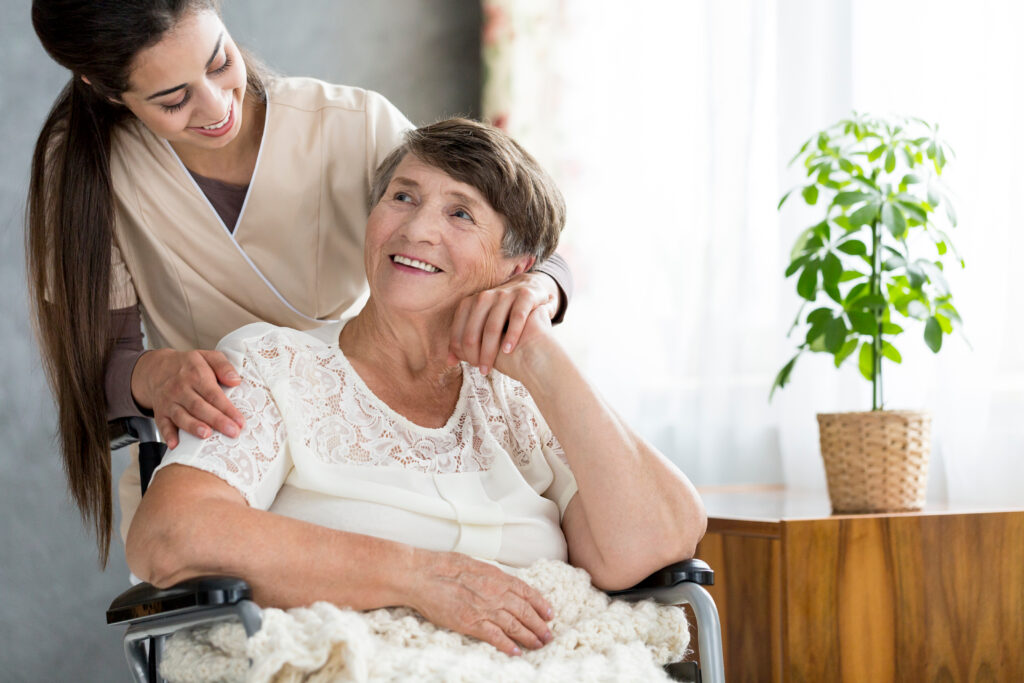
Beyond practical support, home care provides powerful emotional advantages that many families overlook. Emotional well-being plays a major role in overall health, especially for seniors.
Reduced Stress and Anxiety
The transition to a nursing home can be overwhelming for seniors who fear losing independence or privacy. Staying at home reduces stress because seniors already understand how their environment works. Their home becomes a place of security where they feel safe and in control.
Stronger Sense of Dignity
Aging can be sensitive, especially when physical limitations begin to appear. In-home care allows seniors to receive help discreetly, in the comfort of their home, with caregivers who respect their dignity.
Care tasks such as bathing, grooming, or toileting become less stressful because they are done in a private and familiar environment.
Improved Mood and Happiness
Caregivers offer companionship, which helps reduce loneliness, depression, and emotional withdrawal. Many seniors find joy in simple conversations, playing games, or sharing stories with their caregiver.
Studies show that seniors who age at home tend to remain more engaged and positive because they maintain a sense of purpose and belonging.
How Families in Monroe Can Choose the Best In-Home Care Agency
Choosing the right in-home care provider is essential for ensuring safety and comfort. Families should take time to understand what makes a quality agency stand out. Below are important areas to evaluate.
Experience and Training of Caregivers
A trusted agency provides well trained caregivers who understand senior care, chronic conditions, safety protocols, and communication needs. Families should look for:
- Background checks
- Ongoing training
- Certification and proper credentials
- Compassionate personality traits
- Experience with seniors who have specific conditions
The right agency will match caregivers with the senior’s personality to create a comfortable relationship.
Customized Care Plans
Every senior has different needs, so a good home care provider creates personalized care plans. These plans may include:
- Assistance with daily activities
- Medication reminders
- Transportation
- Light housekeeping
- Personal hygiene support
- Companionship services
A personalized care plan guarantees the senior receives exactly the right level of care without unnecessary services.
Reliable Communication and Support
Families should choose agencies that maintain open communication. Strong providers regularly give updates, respond quickly to questions, and offer support during emergencies. This gives families peace of mind.
Flexible Scheduling Options
A dependable in-home care agency offers flexible schedules. Families can select hourly, daily, overnight, or 24 hour care depending on the senior’s needs. Nursing homes do not offer this level of customization.
Reputation and Community Trust
Reviews, testimonials, and word of mouth from Monroe families can help identify reputable agencies. A trusted provider will have a strong reputation for reliability, compassion, and professionalism.
Conclusion
For many seniors in Monroe WA, home is more than a physical space. It is where memories live, where peace is found, and where they feel truly themselves. In-home care preserves comfort, independence, dignity, and emotional well-being while giving families confidence that their loved one is supported by trained professionals.
As more families discover the benefits of personalized home care, in-home support continues to rise as the preferred option over nursing homes. For reliable care you can trust, Classique Homecare & Staffing provides high quality services designed to help seniors live comfortably and safely at home.
Frequently Asked Questions
1. What makes in-home care a better option than a nursing home?
In-home care offers greater independence and personal comfort because seniors stay in familiar surroundings. It also provides one-on-one attention from caregivers, which improves emotional well-being and daily safety.
2. Is in-home care in Monroe WA more affordable than a nursing home?
In many cases yes, because families only pay for the services they need. This flexible pricing often results in lower costs compared to full time facility fees.
3. How does in-home care support seniors with memory loss?
Familiar surroundings help reduce confusion and stress for seniors with dementia. Home care also provides consistent routines and caregivers who understand how to manage memory related challenges.
4. What type of caregivers provide in-home care services?
Professional caregivers are trained in senior care, including mobility assistance, personal hygiene, medication reminders, and companionship. Reputable agencies ensure caregivers are background checked and well prepared.
5. How do families know they are choosing the right in-home care agency?
Look for experience, training, strong reviews, personalized care plans, and flexible scheduling. A trustworthy agency will communicate clearly and support families throughout the care process.