
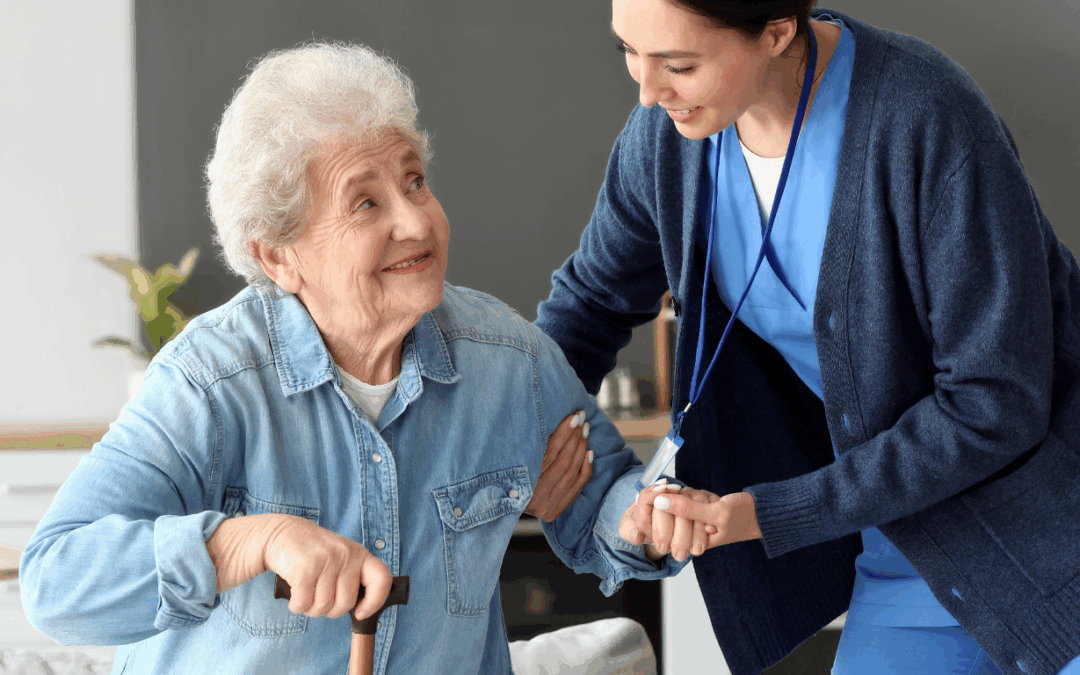
As people age, mobility challenges often become part of daily life. Simple tasks such as standing up, walking across a room, or using the bathroom can feel overwhelming and unsafe. For many families in Monroe, Washington, the goal is clear: help their loved ones remain safe, comfortable, and independent at home for as long as possible.
This article explains how mobility assistance at home, thoughtful home safety modifications, and professional support can dramatically improve a senior’s quality of life. It also highlights how experienced home care providers play a key role in reducing fall risks, restoring confidence, and supporting aging in place.
Understanding Mobility Challenges in Seniors
Mobility challenges do not appear overnight. They often develop gradually due to health conditions, injuries, or age-related changes that affect strength, balance, and coordination. Recognizing these challenges early allows families to take action before accidents happen.
Many seniors struggle with mobility due to arthritis, osteoporosis, neurological disorders, stroke recovery, or muscle weakness. Even vision loss or chronic pain can affect how safely a senior moves around the home. These challenges can limit independence and increase anxiety, especially when seniors fear falling.
Mobility issues also impact emotional health. Seniors who feel unsafe walking or standing may withdraw from activities they once enjoyed. Over time, this isolation can lead to frustration, depression, and loss of confidence. Addressing mobility needs is not just about physical safety. It is also about protecting dignity and emotional well-being.
Why Mobility Assistance at Home Matters
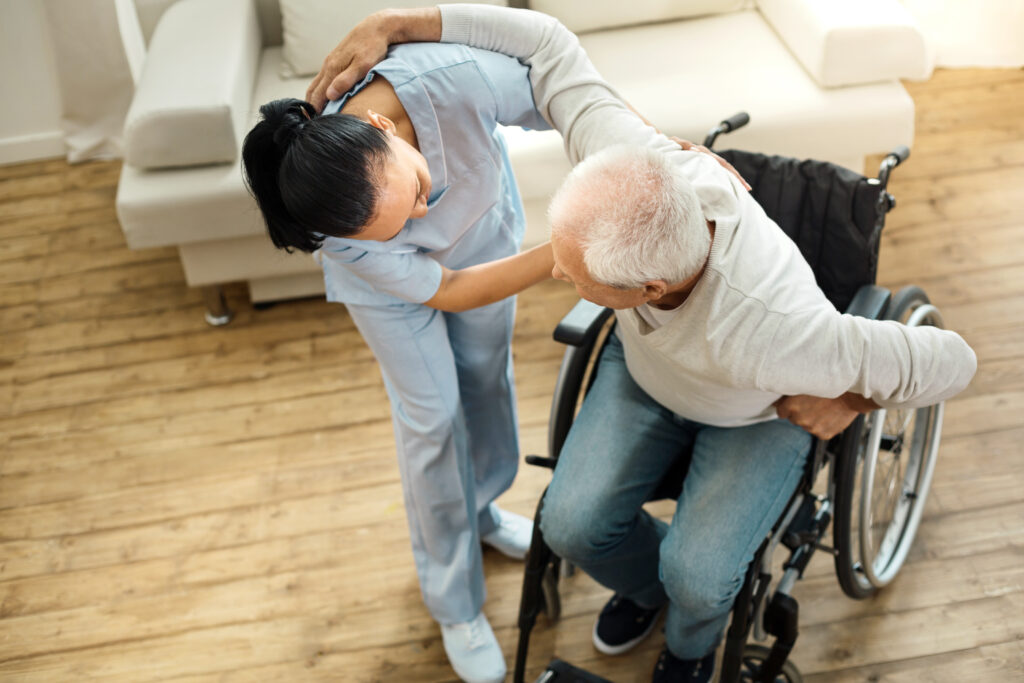
Providing mobility assistance in Monroe WA allows seniors to continue living in familiar surroundings while receiving the support they need. Home-based mobility support reduces risks while preserving routines and independence.
When seniors receive proper assistance, they are more likely to stay active. Movement supports circulation, joint flexibility, and overall health. With guidance and supervision, seniors can safely participate in daily activities instead of avoiding them out of fear.
Mobility assistance also provides peace of mind for families. Knowing a trained caregiver is present to help with transfers, walking, and balance reduces constant worry. It allows family members to focus on meaningful moments instead of constant supervision.
Common Mobility Challenges at Home
Every home presents unique obstacles for seniors with limited mobility. Identifying these challenges is the first step toward creating a safer environment.
Stairs and Level Changes
Stairs are one of the leading causes of falls among seniors. Even a single step between rooms can be dangerous when balance or vision is impaired. Entryways, basements, and bathrooms often present unexpected hazards.
Slippery Surfaces
Bathrooms and kitchens are especially risky due to wet floors. Loose rugs, polished tiles, and cluttered walkways increase fall risks significantly.
Tight Spaces and Furniture Layout
Narrow hallways and crowded rooms make it difficult for seniors using walkers or canes to move safely. Poor layout often forces seniors to twist or reach unsafely.
Home Safety Modifications That Improve Mobility
Home safety modifications are essential for seniors facing mobility challenges. These changes reduce fall risks and create an environment that supports independence.
Bathroom Safety Improvements
Bathrooms are one of the most dangerous areas for seniors. Installing proper supports can significantly reduce accidents.
- Grab bars near toilets and showers
- Non-slip flooring or bath mats
- Walk-in showers or shower chairs
- Raised toilet seats for easier transfers
These modifications provide stability and confidence, allowing seniors to maintain privacy while staying safe.
Improving Walkways and Living Areas
Clear, well-lit pathways are critical for mobility support. Removing clutter and adjusting furniture placement creates safer movement throughout the home.
Consider adding brighter lighting, securing loose cords, and removing unnecessary rugs. These small changes make a major difference in daily safety.
Mobility Aids That Support Independence
Mobility aids are valuable tools when selected and used correctly. They must match the senior’s physical needs and home environment.
| Mobility Aid | Purpose | Best Use Case |
| Canes | Balance support | Mild mobility issues |
| Walkers | Stability and weight support | Moderate balance challenges |
| Wheelchairs | Full mobility support | Limited walking ability |
| Transfer belts | Safe caregiver assistance | Transfers from bed or chair |
Proper training is essential. Using the wrong aid or using it incorrectly can increase fall risk. Professional caregivers ensure safe use and proper adjustments.
The Role of Professional Caregivers in Mobility Assistance
Professional caregivers play a critical role in supporting seniors with mobility challenges at home. Their training allows them to assist safely while encouraging independence.
Caregivers help with transfers, such as moving from bed to chair, standing up, or getting in and out of vehicles. They understand body mechanics that protect both the senior and themselves from injury.
Beyond physical assistance, caregivers monitor changes in mobility. Early signs of decline can be addressed before they become serious safety risks. This proactive approach helps families plan adjustments and avoid emergencies.
How Caregivers Promote Confidence and Emotional Well-Being
Mobility challenges often come with fear. Seniors may worry about falling or becoming a burden on others. Compassionate caregivers help restore confidence by offering reassurance and consistent support.
Encouragement matters. When seniors feel supported rather than rushed, they regain trust in their abilities. This emotional support leads to greater participation in daily life and improved mental health.
Caregivers also provide companionship. Social interaction reduces isolation and motivates seniors to stay active. Mobility support becomes part of a holistic care approach rather than a task-focused service.
Fall Prevention Strategies for Seniors at Home
Preventing falls requires a combination of awareness, preparation, and consistent support. Caregivers and families should work together to create safe routines.
Daily Safety Practices
- Encouraging proper footwear with non-slip soles
- Ensuring assistive devices are within reach
- Promoting slow, deliberate movements
Ongoing Monitoring
Caregivers observe posture, gait, and balance daily. Small changes often signal the need for adjustments in care or equipment.
These strategies significantly reduce the likelihood of falls while supporting safe independence.
Supporting Long-Term Mobility and Comfort
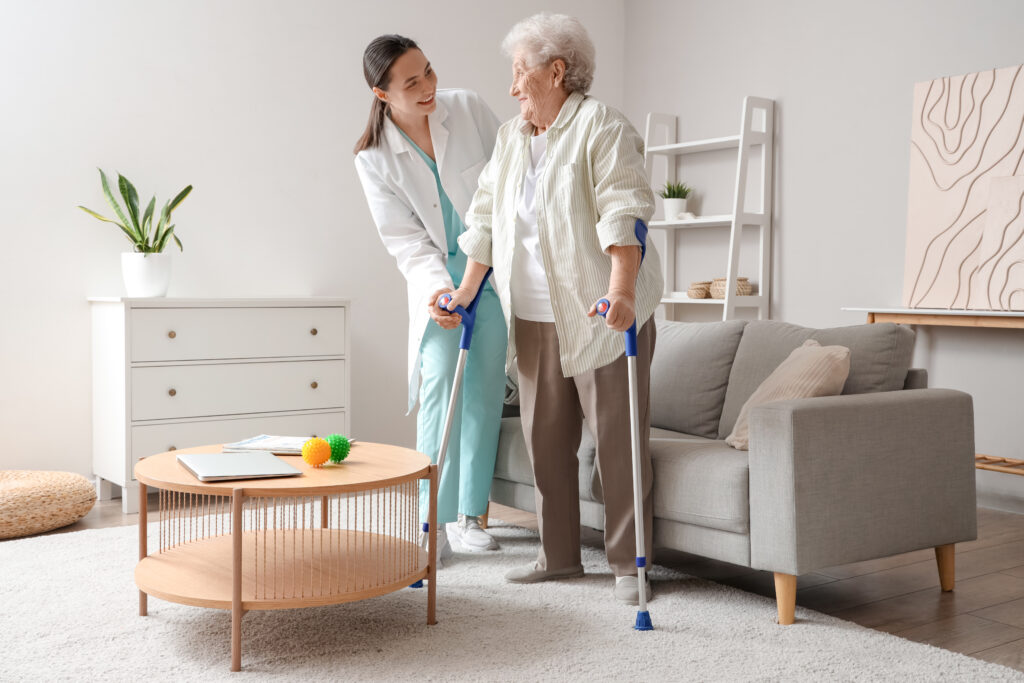
Mobility support is not a one-time solution. Seniors’ needs change over time, and care plans should adapt accordingly.
Regular reassessment ensures that mobility aids, home modifications, and assistance levels remain appropriate. This flexibility allows seniors to continue living safely at home even as conditions evolve.
Comfort is equally important. Pain management, proper seating, and rest periods all contribute to better mobility outcomes. When seniors are comfortable, they move more confidently and safely.
Family Involvement in Mobility Care
Family involvement strengthens mobility support at home. Open communication between caregivers and families ensures consistent care strategies.
Families should stay informed about mobility challenges and participate in decision-making. This collaboration builds trust and improves care outcomes.
Education also empowers families. Understanding safe transfer techniques and fall prevention strategies allows loved ones to assist confidently when caregivers are not present.
When to Seek Professional Mobility Support
It may be time to seek professional help when seniors experience frequent falls, difficulty standing, or increasing fear of movement. Delaying support often leads to injuries that could have been prevented.
Professional mobility assistance ensures safety while allowing seniors to remain at home. Early intervention improves long-term outcomes and reduces stress for everyone involved.
Conclusion
Supporting seniors with mobility challenges requires more than equipment. It involves personalized care, thoughtful home modifications, and compassionate assistance. With the right approach, seniors can continue living safely and comfortably at home while maintaining independence and dignity.
Families in Monroe benefit from professional mobility assistance that prioritizes safety, confidence, and quality of life. Classique Homecare & Staffing remains committed to helping seniors navigate mobility challenges with expert care, compassion, and respect.
Frequently Asked Questions
1. What is mobility assistance at home?
Mobility assistance includes help with walking, standing, transfers, and movement to reduce fall risks and improve safety.
2. How do home safety modifications help seniors?
They reduce hazards, improve accessibility, and support independence through safer living environments.
3. When should a senior use a mobility aid?
When balance, strength, or coordination decline, and daily movement becomes unsafe without support.
4. Can caregivers help prevent falls?
Yes. Trained caregivers monitor movement, assist safely, and implement fall prevention strategies daily.
5. Is professional mobility care better than family support alone?
Professional care offers training, experience, and consistency that reduce injury risk and caregiver strain.